

News Details
Key points for low-temperature starting and protection of electric forklifts in northern winter
In winter in the north, the weather is cold and the earth is frozen, and the three provinces in Northeast China are even colder with cold winds and dripping water turning into ice. Low temperatures not only make it difficult for electric forklifts to start and operate smoothly, but if operated improperly, it can also easily cause damage to forklift components, affecting the service life of equipment and operational safety.
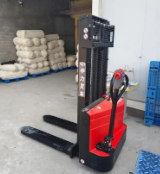
When starting an electric forklift in winter, the following operating procedures must be strictly followed:
1. Check and pre lubricate the engine oil before starting
Before starting, check if the oil level is normal. After the forklift is stopped, the lubricating oil will flow back to the crankcase. At this time, it is necessary to shake the starting handle to drive the crankshaft to rotate 20-30 turns. This is because in winter, the viscosity of lubricating oil increases and the fluidity decreases. By pre rotating, the lubricating oil can evenly cover the friction surfaces of various components, preparing for lubrication during engine start-up. At the same time, when adding lubricating oil, it is necessary to ensure sufficient and appropriate amount to avoid affecting the lubrication effect due to insufficient or excessive oil
2. Before starting, it is necessary to fully preheat
Before turning on the electric forklift switch, a preheating operation must be performed. Oil chassis heating, hot water pouring, or steam preheating can be used to increase the temperature of the engine and hydraulic system, reduce the obstruction of low temperature to equipment start-up, and prevent component wear caused by cold start.
3. Start the machine and warm it up at low speed before operation
After the forklift completes preheating and successfully starts, it is necessary to first run the engine at low speed, wait for the body temperature to rise to a suitable range, and after all performance parameters stabilize, then carry out cargo handling operations.