

News Details
Precautions for manual hydraulic handling equipment during transportation and movement
When using manual hydraulic handling vehicles for equipment handling and movement, following a series of clear precautions is key to ensuring smooth operation. The following are preparation before use, operating procedures during use, and suggestions for handling and storage after use, aimed at ensuring the safety and efficiency of operations.
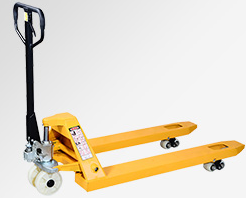
Before each use, it is necessary to inspect the overall structure of the transport vehicle to ensure that there are no signs of cracks, bends, or damage. Especially the main load-bearing parts and lifting mechanisms, which are critical components directly related to safety. When lifting or lowering the transport vehicle, it should be operated slowly to avoid sudden impact causing the goods to slip or overturn. Rapid movements may cause hydraulic shock, affecting mechanical life and safety. After the heavy object is lifted, avoid lateral movement, which may cause the center of gravity to shift and increase the risk of tipping over. If you need to adjust the position, you should first lower the heavy object, adjust it in place, and then lift it up. During the transportation process, maintain load balance to avoid all weight being concentrated in one corner, which can reduce instability and potential blockage risks caused by center of gravity offset.
When using manual hydraulic handling vehicles for equipment handling and movement, follow the required specifications to ensure safe completion of equipment handling, improve work efficiency, and ensure safe handling of equipment.