

News Details
The function of the brake system in manual hydraulic transport vehicles
Manual hydraulic handling vehicles are compact in size, simple in structure, low in cost, and easy to maintain. Each component of it is designed specifically for handling operations, fully embodying the design concept of 'existence is reasonable'. Some manufacturers have also specially installed handbrake systems for the handling vehicles to enhance their safety during use.
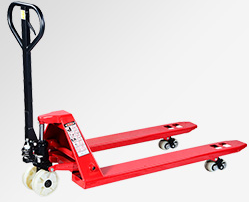
Although the frequency of use of the handbrake system is not high, it can play a crucial role in the following two key situations:
The first scenario is the parking brake. Whether during the loading and unloading of goods or temporary stops during transportation, operators may need to handle emergencies due to unforeseen circumstances. If the moving vehicle is parked randomly in a certain place, it will be difficult to ensure the safety of the moving vehicle and the goods on board in case of unexpected situations such as strong winds or collisions. The handbrake system can firmly fix the transport vehicle in a predetermined position, effectively preventing sliding or overturning caused by external forces.
The second scenario is auxiliary braking when going downhill. On downhill roads, the handling vehicles and goods are prone to accelerate and rush forward under the influence of gravity, increasing the risk of loss of control. At this time, the handbrake system can effectively block and slow down, especially when encountering obstacles, it can help operators better protect the safety of goods and themselves, and prevent accidents from happening.
In summary, although the handbrake system is not commonly used, it has irreplaceable value in ensuring operational safety.